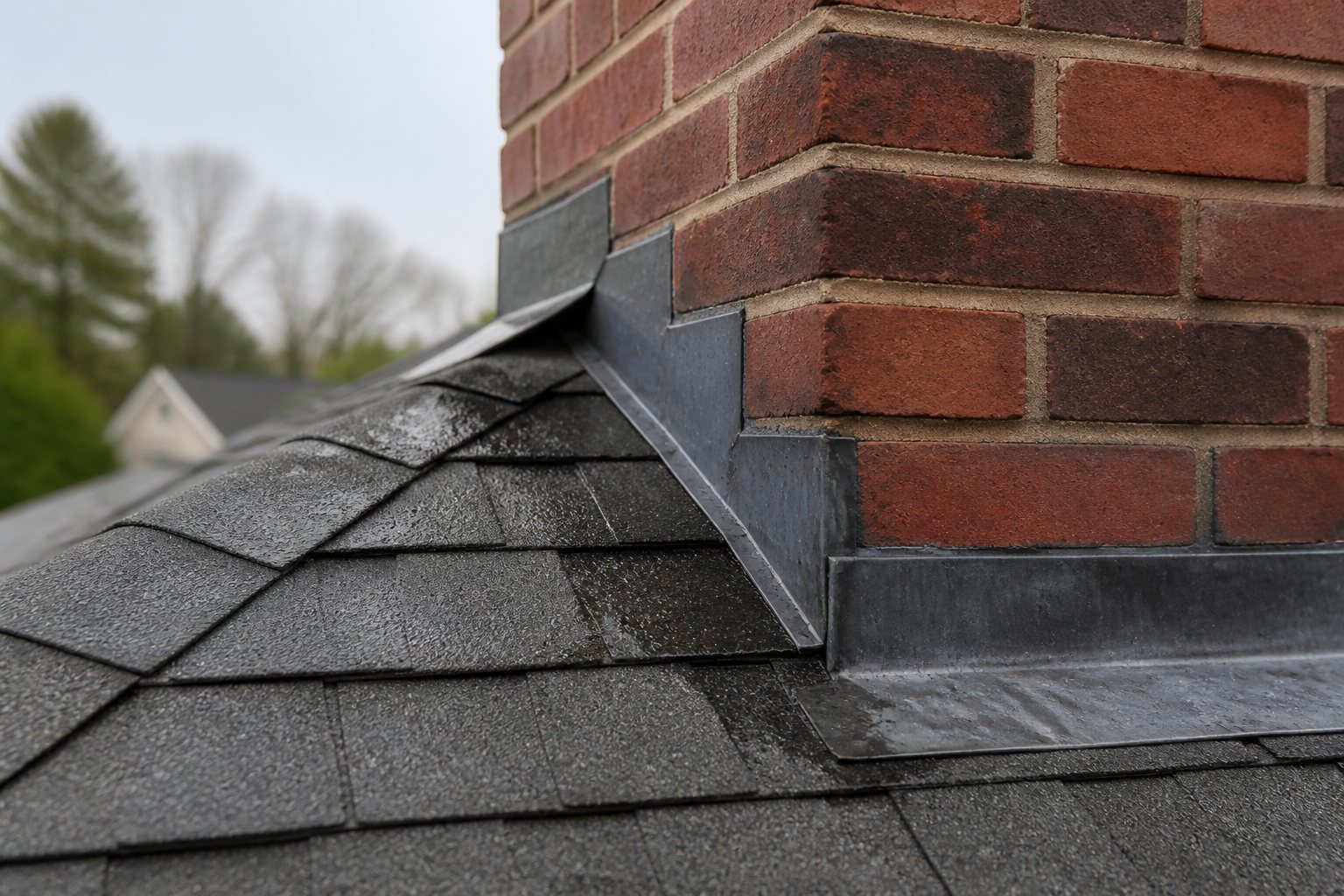
Chimney masonry takes constant exposure from weather while rising above the roofline. Small defects can become larger when moisture enters brick or mortar and repeatedly freezes and thaws.
Visible warning signs
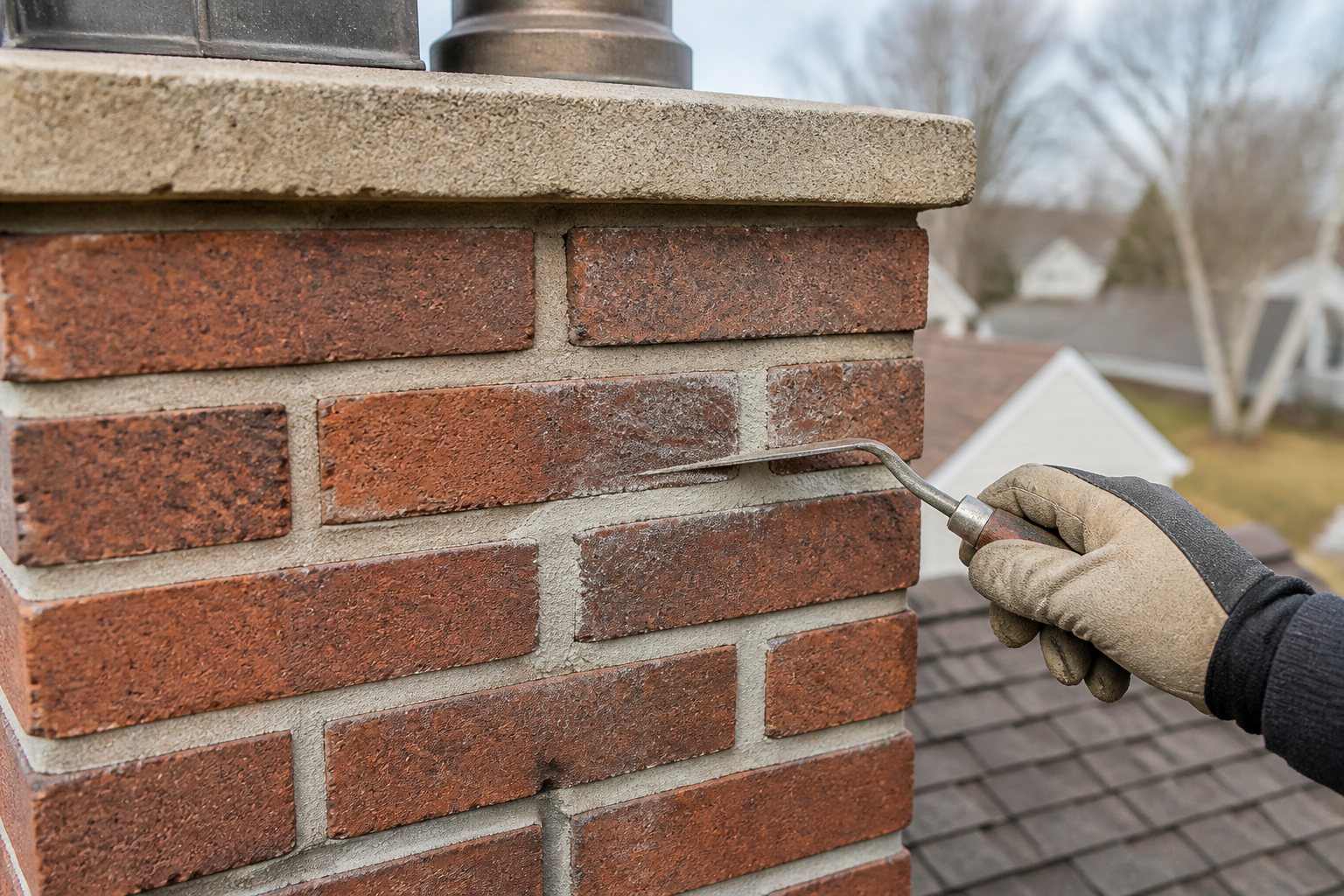
- Cracked, loose, or missing mortar joints
- Flaking or crumbling brick surfaces
- Pieces of brick or mortar on the roof or ground
- A leaning or visibly separated chimney
- Cracks in the chimney crown
- Rust around metal components
- White staining on masonry
- Water stains near the fireplace or ceiling
White staining, often called efflorescence, can indicate that moisture is moving through masonry. It does not identify the source by itself, but it is a reason to look more closely at the chimney and its water-shedding components.
Why delaying repairs can cost more
Water can expand as it freezes, widening cracks and accelerating deterioration. A problem limited to mortar joints may become more extensive if brick faces begin to fail or water reaches adjacent parts of the home.
What an inspection may cover
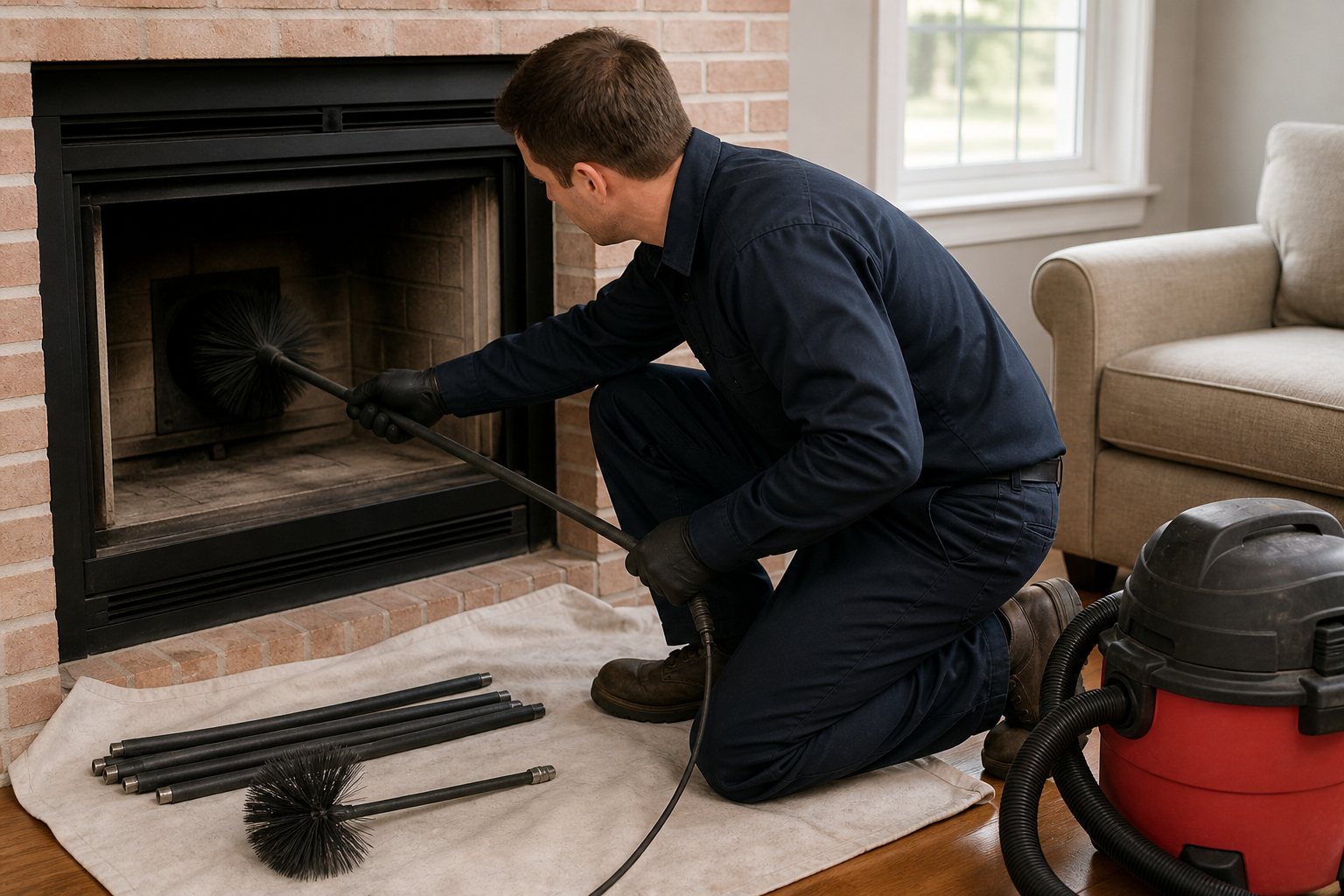
Depending on accessibility and the reported problem, a chimney professional may examine the exterior masonry, crown, cap, flashing, firebox, and visible portions of the flue. The professional should explain the observed condition and any recommended work before repairs begin.
Find chimney masonry help near Dayton
If you see cracks, loose brick, leaks, or other damage, describe the problem through Dayton Chimney Connect. Your request may be shared with a local chimney service professional who can contact you about the next steps.