Water near a fireplace, ceiling, or chimney wall is a warning sign worth investigating. Chimney leaks can have several causes, and the visible stain indoors may not be directly beneath the point where water enters.
Common sources of chimney leaks
Damaged or missing chimney cap
A cap helps limit rain, debris, and animals from entering the flue. If it is missing, damaged, or poorly fitted, water may enter from the top.
Cracked crown
The crown is the sloped surface at the top of a masonry chimney. Cracks can allow water into the masonry, where freezing temperatures may worsen deterioration.
Flashing problems
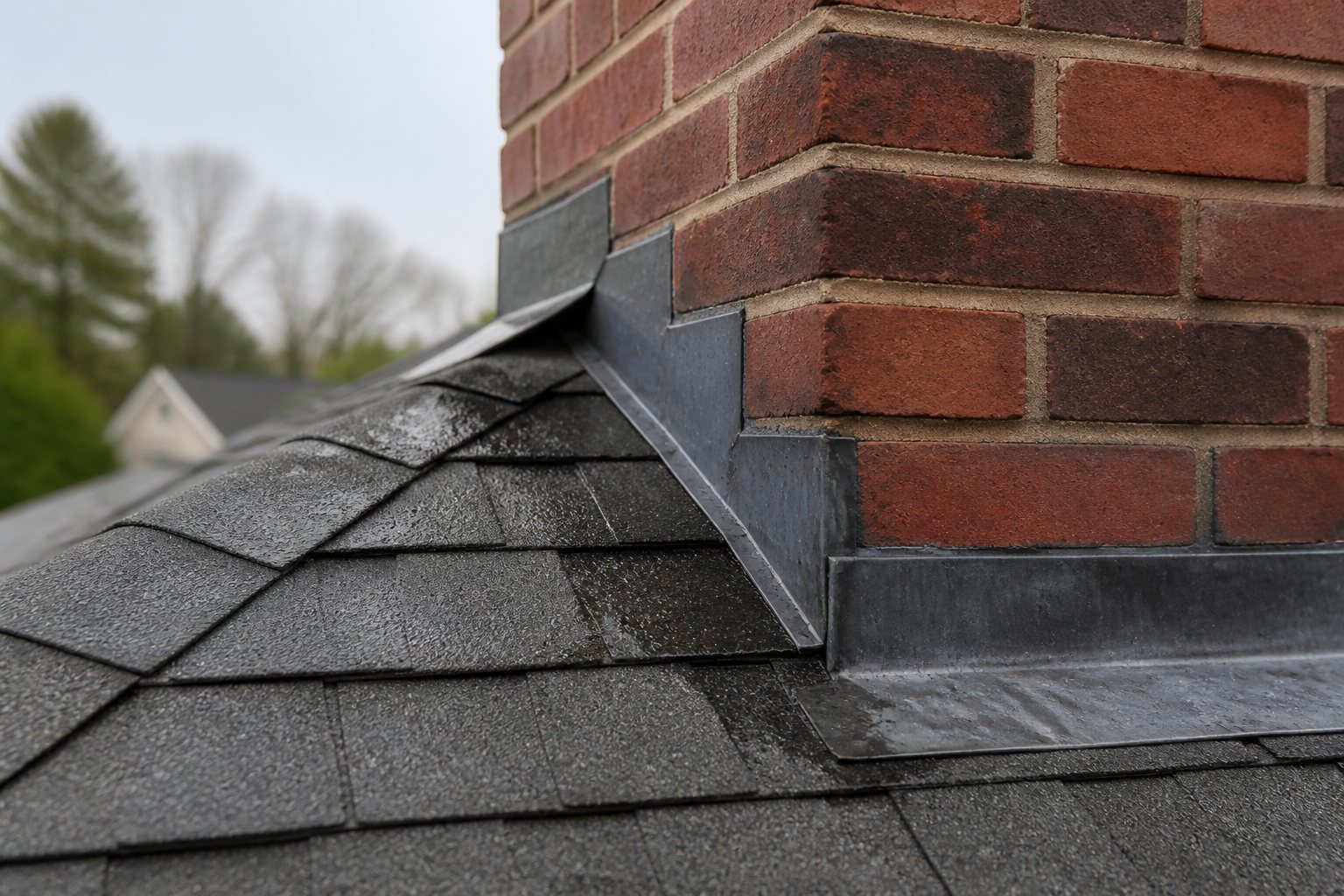
Flashing seals the intersection between the roof and chimney. Loose, damaged, or incorrectly installed flashing can allow water beneath roofing materials.
Deteriorated mortar or brick
Masonry is exposed to rain, snow, wind, and freeze-thaw cycles. Open joints, cracks, and spalled brick can allow moisture into the chimney structure.
Condensation or appliance issues
Not every moisture problem begins outdoors. Under some conditions, condensation within a flue or a venting problem may contribute to dampness. A qualified professional can help distinguish between likely causes.
What homeowners should do
Avoid sealing over stains or applying a random coating before identifying the source. Photograph the affected area, note when the leak appears, and request an inspection. If active water is near electrical wiring or creates a safety concern, contact an appropriate emergency professional.
Request chimney leak help in Dayton
Describe where you see water and when it occurs. Dayton Chimney Connect may share your request with a local chimney service professional who can contact you about inspection or repair options.